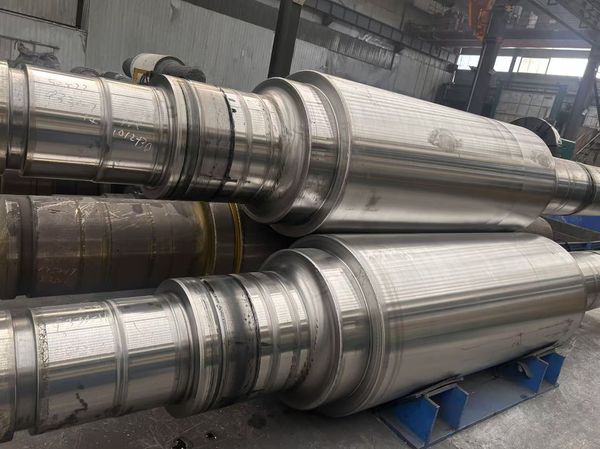
High-speed steel compound rolls are produced by horizontal centrifugal casting. High-speed steel roll materials are mainly divided into three categories: high-tungsten, tungsten-molybdenum and molybdenum series. The latest high-speed steel material features high carbon, high molybdenum, high vanadium, low tungsten and niobium-bearing.
Material Features
- Carbon content is raised to the high-carbon range of 1.5%~2.0%, fully releasing the potential of molybdenum, tungsten, vanadium, niobium, chromium and other elements to form carbides.
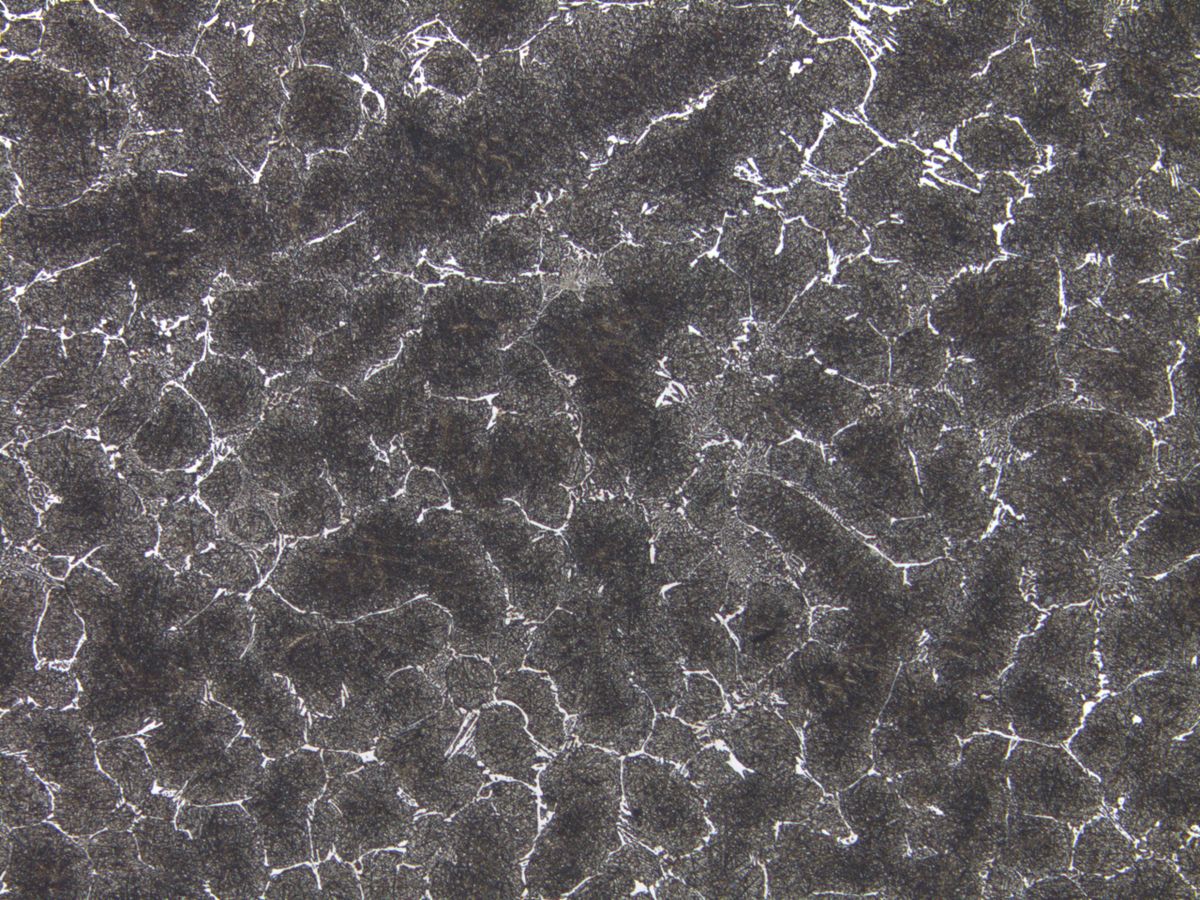
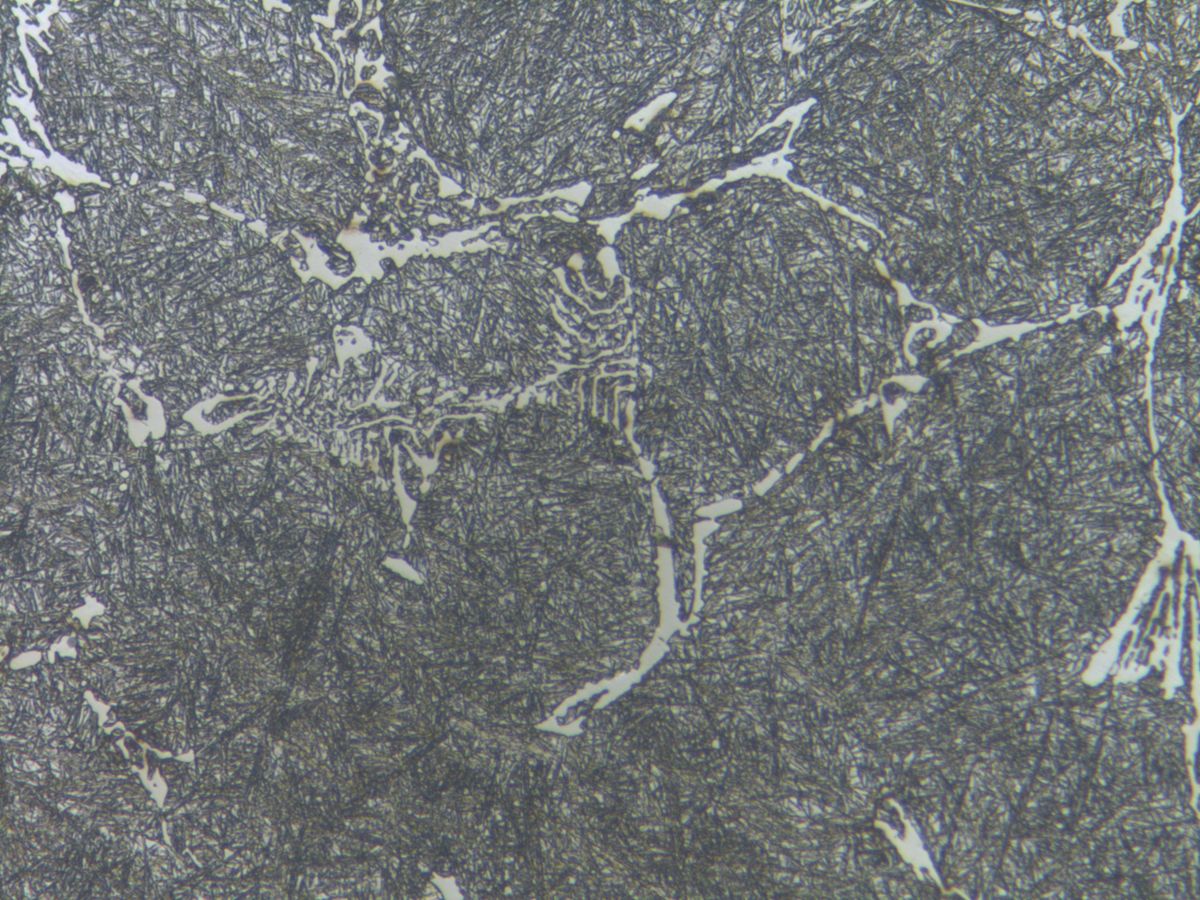
- Molybdenum content is raised to 5.0%~6.0%, refining the high-speed steel eutectic structure, preventing carbide precipitation along grain boundaries and improving the work-layer toughness.
- Vanadium forms a large number of high-hardness granular MC-type carbides uniformly distributed inside grains, while dissolving in the matrix to produce secondary hardening.
- The new high-speed steel matrix structure is lath martensite + lamellar martensite; the carbide types are MC, M2C and a small amount of M6C.
Performance Advantages
Compared with traditional high-speed steel materials, the new high-carbon high-molybdenum high-vanadium high-speed steel material has better wear resistance, thermal-crack resistance and resistance to surface roughening, maintaining stable roll-surface quality under high-temperature, high-pressure rolling conditions.
Main Application Scope
- Work rolls for roughing stands of hot wide-strip mills
- Work rolls for front and rear stands of finishing trains in hot wide-strip mills